
Subscribe and receive email notifications of new blog posts.
 RSS Feed
14
Save Your Landscaping By Avoiding These Mistakes
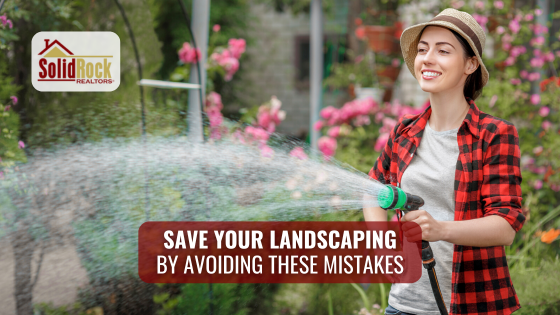
Landscaping is another way to express your vision for your home. When it's time to sell, you may need to scale back — or you may find that good landscaping practices work as a plus in your favor. Our real estate agents will help you sell faster and at a better price by amplifying curb appeal.
Curb appeal might seem like a bit of a mystery, but a real estate agent will get you on the right track. The right landscaping is a big part of it. Miami homes for sale get the most attention when they look great inside and out. Even if you're not planning to sell, it's important to avoid landscaping mishaps!
Let's look at common landscaping mistakes:
- Look Out for Overwatering
Overwatering has the potential to kill plants and even leave bare patches on the lawn. It's a wise idea to verify the water needs of your different plants, and almost always best to skip watering when there's already rain in the forecast. Look out for gutter overrun that can inundate plants, usually caused when gutters get too full. - Fertilize According to Plant Type
Overfertilizing is not as common as overwatering, but it can still be a big issue. Some plants, such as corn and tomatoes, are heavy feeders. On the other hand, most leafy greens are light feeders that only need to be fertilized occasionally. Last, but not least, fast-growing edibles rarely need to be fertilized at all. - Check for Underwatering, Too
For most plants, the end result of overwatering and underwatering is the same: Wilting. So, how can you be sure what the cause is? When you notice wilting, just check the soil around the base of your plant with one finger. If it feels dry and the plants leaves are noticeably drooping, then it probably needs more water. - Watch Out for Mulch
Mulch is a useful and versatile gardening tool. It helps conserve moisture, optimizing the way plants can use it. At the same time, it will keep certain pests away. But too much mulch will have the opposite effect, suffocating plants and potentially killing them. Spread your mulch widely and never add more than four inches of it. - Don't Plant the Wrong Flowers
If you want a garden that will flourish, you need pollinators — and that often means choosing the right mix of flowers to attract them. Native perennial flowers produce more pollen (often twice as much!) compared to hybrid annuals. That makes a substantial difference in your garden over time. - Don't Plant in the Wrong Spots
Aside from that waterlogged spot under the gutter, what other places should you avoid planting? Look for the places where the soil is fertile, drains well, and gets the right amount of sunlight for whatever you plan to plant. Edible greens generally need more shade than other plants and will wilt with too much direct sunlight. - Don't Overmow
Mowing the lawn short often seems like a good idea — a surefire way to prevent weeds from going to seed. But the full picture is a little more complex. When grass is cut too short, it gets damaged and can no longer set up the deep roots that enable it to access the nutrients it requires to grow. - Don't Contaminate Your Compost
Considering what compost is usually made of, it might seem odd to think that it can be "contaminated." But it's a fact, and the biggest culprit is diseased and pest-ridden plant matter. That's a fast way to spread problems all throughout your garden!
Contact us to find out more about Miami real estate.